

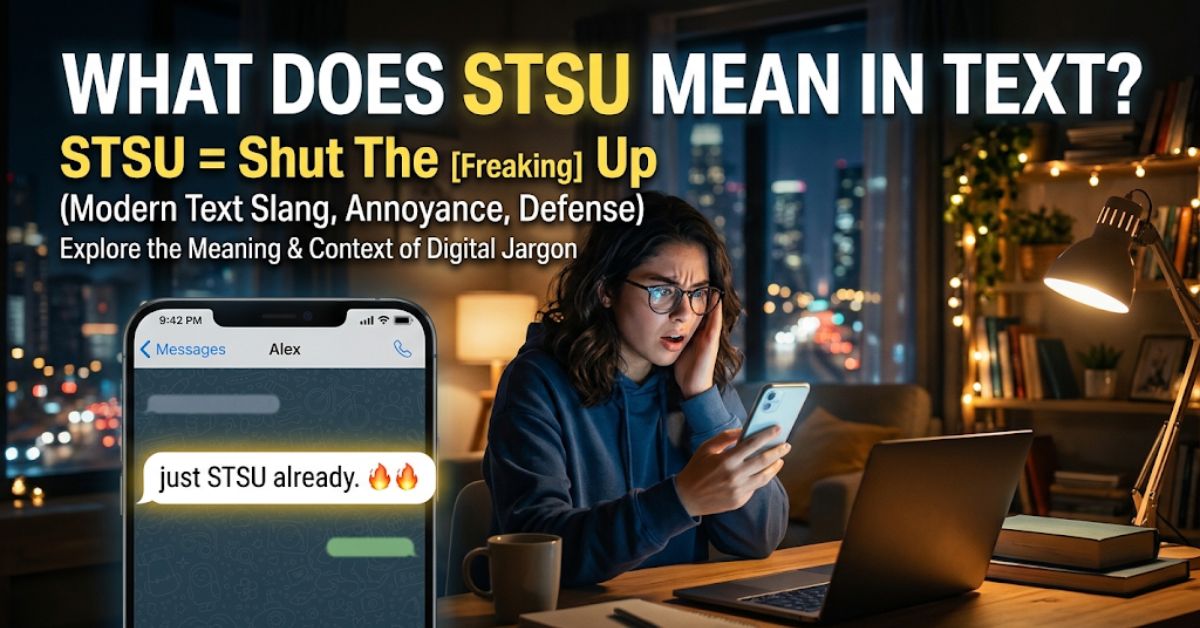
Have you ever received a message that simply says “STSU” and wondered what it means? Those four letters might seem harmless, but their meaning can surprise you. Depending on the situation, STSU can sound like a funny joke, a sharp comeback, or a rude insult. You might spot it in text messages, Instagram comments, WhatsApp chats, or gaming conversations. But why do people use it, and should you take it seriously?
If you’re asking what does stsu mean in text, the answer is worth knowing before you reply. STSU stands for Shut The S*** Up. People use this slang abbreviation to tell someone to stop talking or be quiet. Close friends may use it for playful teasing. During an argument, however, it can sound harsh and offensive. Understanding its meaning, tone, and proper context can help you avoid misunderstandings and respond with confidence.
Hook: Why Are People Suddenly Saying STSU?
You’re scrolling through messages when someone suddenly types STSU. At first, those four letters might look confusing. Is it a joke, an insult, or just another internet abbreviation? The meaning can catch you off guard.
STSU has started appearing in casual chats, social media comments, and online conversations. People often use it when someone talks too much or says something annoying. However, its tone depends heavily on the situation.
You might see it between close friends or during a heated argument. Sometimes it sounds playful. Other times, it can feel rude and offensive. Understanding the context helps you avoid misunderstandings. So, what does STSU mean in textd? Let’s look at its meaning and everyday uses.
What Does STSU Mean in Text?
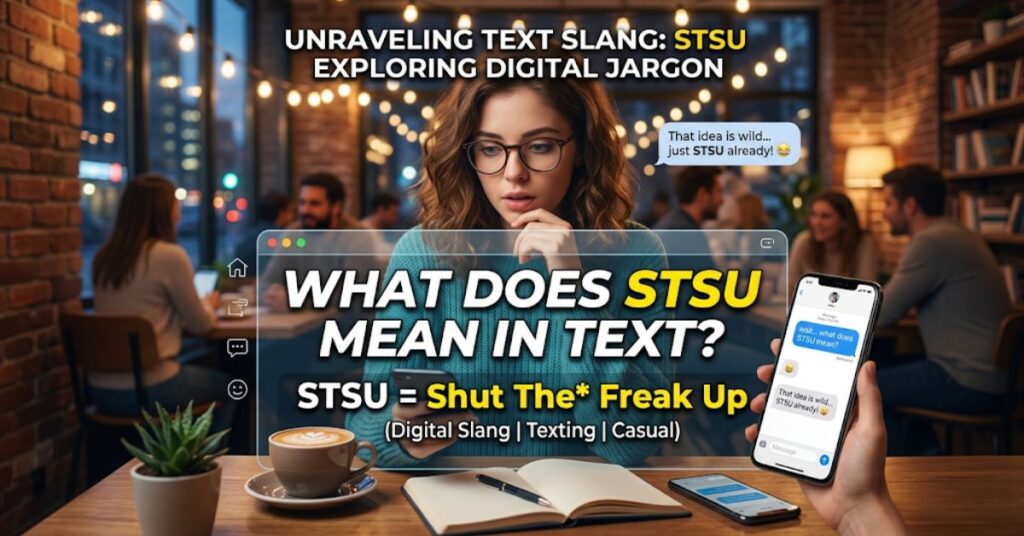
STSU stands for Shut The S* Up**. It’s a slang abbreviation that tells someone to stop talking or be quiet. People mainly use it in informal digital communication when they feel annoyed, frustrated, or playful.
Unlike polite expressions such as hush or be quiet, STSU carries a stronger tone. Depending on the conversation, it can sound aggressive, sarcastic, or humorous.
You’ll commonly encounter this text abbreviation in:
- WhatsApp messages and casual chats
- Instagram DMs and comments
- Snapchat conversations
- TikTok replies
- Online gaming chats
For example:
Friend 1: Bro, you’re telling that story again!
Friend 2: STSU 😂
Here, the sender probably uses it as playful teasing rather than a serious insult.
Simple Meaning (Easy Explanation)
In simple words, STSU means stop talking right now. It’s a blunt way to tell someone that you don’t want to hear anything else. Think of it as a stronger version of saying be quiet.
However, the slang meaning isn’t always serious. Close friends sometimes use it to tease each other without causing offense.
Here are a few expressions that explain its meaning:
- Stop talking because you’re annoying me.
- I don’t want to hear this anymore.
- Be quiet for a moment.
- You’re saying something embarrassing.
- Please stop talking right now.
Example:
Person A: I still remember your embarrassing school dance!
Person B: STSU 😭
In this casual conversation, the sender feels embarrassed. The abbreviation adds humor rather than showing genuine anger.
Where Is STSU Used?
STSU usually appears in informal digital spaces where people communicate through short messages. It’s not common in professional conversations because its wording can sound harsh or offensive.
You might encounter this abbreviation across several popular platforms. Its meaning generally stays the same, although the tone changes with context.
Common places where people use STSU include:
- Text messages (SMS): Friends use it during casual conversations.
- WhatsApp: It appears in private chats and group messages.
- Instagram DMs: People send it during playful or heated exchanges.
- Instagram comments: Users sometimes reply with it to funny or annoying remarks.
- Snapchat chats: Friends use it for quick reactions.
- TikTok replies: It can appear under funny or controversial videos.
- Gaming chats: Players use it when frustration rises during gameplay.
Remember that STSU belongs to informal language. It rarely fits formal communication.
Why Do People Use STSU?
People use STSU to express strong emotions without typing an entire sentence. It’s a short slang abbreviation that quickly communicates frustration, humor, or annoyance.
However, not everyone uses it with the same intention. One person might use it during a serious argument. Another might send it while laughing with friends.
Here are four common reasons people use this texting slang.
1. To Show Frustration
Sometimes people get tired of hearing the same complaints or arguments. They may use STSU to show irritation and tell someone to stop talking.
In this situation, the abbreviation carries a harsh and aggressive tone. It can suggest that the sender has lost patience.
Example:
Person A: You always make the same mistake.
Person B: STSU. I’m tired of hearing this.
Here, the sender clearly feels annoyed. They aren’t trying to make a joke.
People might use STSU when:
- Someone keeps repeating an argument.
- A conversation becomes irritating.
- They’re dealing with unwanted comments.
- They want to express strong frustration.
Still, using it during serious discussions can damage relationships. A calmer response often works better.
2. As a Joke
Not every STSU message signals anger. Close friends sometimes use this abbreviation for playful teasing. It can become a funny reaction when everyone understands the humor.
For example, imagine your friend keeps bragging about their cooking skills. You might send STSU with a laughing emoji to tease them.
Example:
Friend 1: My cooking deserves a five-star restaurant.
Friend 2: STSU 😂 Your toast was burned!
Here, the conversation feels friendly rather than aggressive.
Emojis such as 😂 and 😭 can help soften the tone. However, they don’t guarantee that everyone will understand the joke. Your relationship and conversation history matter more than the emoji itself.
3. To React Quickly
Fast chats often move quickly. People don’t always want to type complete sentences when reacting to something surprising or annoying.
That’s where short abbreviations become useful. STSU lets someone express a strong reaction using only four letters.
For example:
Person A: I just shared your secret with everyone!
Person B: STSU 😭
The reply communicates embarrassment and disbelief. It also keeps the conversation moving.
People often prefer texting slang because:
- It saves time during fast chats.
- It creates short and direct replies.
- It communicates emotions quickly.
- It matches the casual style of online communication.
However, short slang can also create misunderstandings. Without vocal tone, readers might interpret a playful message as a serious insult.
4. To Sound Bold or Direct
Some people use STSU because they want their message to sound strong and direct. Instead of explaining their frustration, they choose a short and blunt abbreviation.
It can communicate that someone has crossed a boundary or continued an unwanted conversation.
Example:
Person A: I’ll keep bothering you until you answer.
Person B: STSU. I’m not interested.
In this situation, the sender sounds firm and frustrated. However, the expression can easily offend the other person.
STSU isn’t the best choice when you want to communicate respectfully. Alternatives such as please stop or I need some space sound much more polite. Always consider your audience before using aggressive internet slang.
Real-Life Examples (With Meaning)
Understanding an abbreviation becomes easier when you see it in actual conversations. STSU can carry different emotions depending on the people involved and the situation.
It might express genuine frustration during an argument. Between close friends, it could simply be playful teasing.
Here are four examples showing how people might use STSU in everyday digital communication.
Example 1 (Serious Tone)
Person A: You never listen when I explain something important.
Person B: STSU. I’m done discussing this.
Meaning: Person B sounds frustrated and wants the conversation to stop. The reply doesn’t feel playful or friendly.
In this situation, STSU expresses irritation and impatience. It might make the disagreement even worse.
When someone uses this abbreviation during an argument, pay attention to the surrounding messages. They may genuinely feel upset rather than joking around.
Example 2 (Joking Tone)
Friend 1: I’m definitely the funniest person in our group.
Friend 2: STSU 😂
Meaning: Friend 2 is probably teasing rather than expressing real anger. The laughing emoji suggests a playful reaction.
Close friends often use exaggerated expressions to make conversations entertaining. Here, STSU works like a sarcastic response to someone’s confident statement.
Still, the relationship matters. Someone unfamiliar with this humor might find the same message rude.
Example 3 (Gaming Chat)
Player 1: Bro, you completely ruined our match!
Player 2: STSU. You missed every shot!
Meaning: Both players sound frustrated after a difficult gaming match. The abbreviation expresses annoyance during gameplay.
Gaming chats often move quickly, especially during competitive matches. Players use short text abbreviations to react immediately.
However, frustration can turn friendly competition into an argument. Using aggressive language repeatedly might spoil the experience for everyone.
Example 4 (Casual Chat)
Person A: I saw your crush at the shopping mall today. 👀
Person B: STSU 😭
Meaning: Person B feels embarrassed and doesn’t want to discuss the situation. The crying emoji makes the response seem playful.
This example shows how STSU can work as friendly teasing between people who know each other well.
The sender isn’t necessarily angry. They’re reacting to an embarrassing topic and trying to end the conversation humorously.
STSU vs Similar Terms
STSU belongs to a wider group of internet slang and texting abbreviations. However, similar expressions don’t always carry the same level of intensity.
Some sound extremely rude while others feel mild, gentle, or polite. Understanding these differences helps you choose the right expression.
| Term | Full meaning | Tone |
| STSU | Shut the s*** up | Blunt, rude, or playful |
| STFU | Shut the f*** up | Very harsh and aggressive |
| STHU | Shut the heck up | Mild or softer |
| Be quiet | Stop talking | Neutral |
| Hush | Quiet down | Gentle and polite |
For example, saying hush to a child sounds much softer than sending STFU during an argument.
Always consider the relationship and situation before choosing an abbreviation. Similar meanings don’t always create similar impressions.
Key Insight
The biggest difference between these expressions comes down to tone and intensity. STSU usually sounds blunt and can become offensive when someone uses it seriously.
STFU generally carries a stronger vulgar tone. Meanwhile, STHU offers a softer alternative because it replaces stronger profanity with heck.
If you want to avoid misunderstandings, consider these options:
- Use hush for a gentle reminder.
- Say be quiet when you want a neutral expression.
- Choose STHU for a milder informal reaction.
- Avoid STFU when respectful communication matters.
Remember that context changes how people interpret slang. A phrase that sounds funny between close friends might offend someone else.
When Should You Use STSU?
STSU isn’t suitable for every conversation. Before sending it, think about your relationship with the other person and the situation.
The abbreviation can work in casual chats where everyone understands the humor. However, it can sound disrespectful in serious discussions or formal settings.
Here are some situations where you should think carefully before using it.
Okay to Use:
STSU might be acceptable when you’re chatting with close friends who understand your humor. In these situations, both people may recognize the abbreviation as playful teasing.
For example:
Friend 1: You still talk about that one school crush!
Friend 2: STSU 😂
The response sounds humorous because both friends share the same conversational style.
You might use it:
- During casual conversations with close friends.
- When joking about an embarrassing moment.
- In playful group chats.
- When everyone understands your humor.
Even then, use sparingly. Friendly intentions don’t always prevent misunderstandings.
Be Careful:
Sometimes, STSU can create confusion because text messages don’t include vocal tone. A short reply might look playful to you but feel aggressive to someone else.
Think about the context before sending it. Does the other person enjoy this type of humor? Are they already annoyed or upset?
For example:
Person A: I’m having a really difficult day.
Person B: STSU 😂
Even with an emoji, this response could feel insensitive.
Be careful when:
- You don’t know the person very well.
- The conversation involves strong emotions.
- Someone feels embarrassed or vulnerable.
- You aren’t sure how they’ll interpret your message.
When uncertain, choose a safer alternative.
Avoid Using:
Some situations require respectful and thoughtful communication. STSU can sound insulting in these settings because its wording carries an aggressive message.
Avoid using this slang abbreviation in:
- Professional conversations with coworkers.
- Formal messages and workplace emails.
- Conversations with elders or authority figures.
- Serious discussions about personal problems.
- Situations involving unfamiliar people.
For example, replying STSU to your manager could damage your professional relationship. Even if you intended a joke, they might interpret it as disrespect.
Instead, use expressions such as please stop, let’s change the subject, or I’d rather not discuss this.
A little politeness can prevent unnecessary conflict.
Common Misunderstandings
STSU looks simple, but people can interpret it differently. The biggest problem comes from assuming everyone understands its intended tone.
Someone might send it as a joke while another person reads it as an insult. These differences can create unnecessary arguments.
Here are four common misunderstandings worth knowing.
1. Thinking It’s Always a Joke
One common mistake is assuming STSU always expresses playful teasing. That’s not necessarily true.
The abbreviation can also communicate genuine anger or frustration. Someone might use it because they’re tired of an argument or don’t want to continue talking.
For example:
Person A: Why do you keep ignoring my messages?
Person B: STSU.
This reply doesn’t automatically sound funny. It could show that Person B feels irritated.
Always examine the surrounding conversation before deciding what the sender means. Emojis, previous messages, and personal relationships can help you understand the intended tone.
2. Using It With the Wrong Person
Another misunderstanding happens when someone uses STSU with a person who doesn’t appreciate this type of humor.
Close friends might laugh at the abbreviation. However, strangers, coworkers, or older family members may consider it offensive.
Example:
Person A: Could you please explain this assignment?
Person B: STSU 😂
Even if Person B intended a joke, the reply sounds disrespectful.
Before using slang, know your audience. Consider their personality and your relationship with them. A friendly tone requires more than adding a laughing emoji.
The wrong expression can offend someone and damage relationships unnecessarily.
3. Misreading Tone
Text messages don’t carry the same emotional clues as face-to-face conversations. You can’t always hear someone’s voice or recognize their facial expression.
That’s why misreading tone happens so easily in digital communication.
For example:
Friend 1: You’re talking too much today.
Friend 2: STSU 😭
Friend 2 might be joking or genuinely annoyed. Without more context, the meaning isn’t completely clear.
To avoid misunderstandings:
- Read the complete conversation.
- Check whether emojis suggest humor.
- Consider your relationship with the sender.
- Ask for clarification when necessary.
Never assume every short message carries the emotion you first imagine.
4. Assuming It’s Safe Everywhere
Just because people use STSU online doesn’t mean it’s appropriate everywhere. Internet slang belongs mainly in informal digital spaces.
Using it in a professional or serious setting can create an uncomfortable situation. The same message might feel funny in a group chat but disrespectful elsewhere.
For example, sending STSU to a close friend might not cause trouble. Sending it to a teacher or manager could have very different consequences.
Remember these differences:
- Informal chats allow more casual language.
- Formal settings require respectful expressions.
- Serious discussions need thoughtful communication.
- Professional conversations should avoid offensive slang.
Understanding where slang fits helps you communicate without creating unnecessary problems.
Pro Tips for Using STSU
Want to understand STSU without accidentally offending someone? A few simple texting habits can make a big difference.
First, know your audience. Your closest friends might understand your humor, but other people may not.
Here are some useful tips:
- Know your audience: Consider your relationship before sending STSU.
- Understand the context: Check whether the conversation feels playful or serious.
- Use emojis carefully: 😂 and 😭 may soften the tone, but they don’t guarantee a friendly interpretation.
- Use it sparingly: Repeating aggressive slang can become irritating.
- Choose safer alternatives: Try hush, be quiet, or please stop when appropriate.
- Avoid formal settings: Keep STSU out of professional conversations and serious discussions.
Most importantly, remember that text lacks vocal tone. A message that seems funny in your head might hurt someone else’s feelings. Choose your words thoughtfully.
Final Thoughts
Understanding what does stsu mean in text can help you avoid confusion during online chats. STSU stands for Shut The S*** Up. People use it to tell someone to stop talking or stay quiet. However, the tone matters. It can sound playful among close friends. It may also feel rude, harsh, or offensive during an argument. So, always consider the situation before using this slang abbreviation.
Now that you know what does stsu mean in text, you can understand it more easily when it appears in messages or comments. Think about your relationship with the sender before reacting. If someone uses STSU jokingly, you may not need to take it seriously. If the message feels aggressive, respond calmly or ignore it. Choose polite words when a softer reply is better. Remember, knowing the meaning of texting slang helps you communicate clearly and avoid awkward misunderstandings.
FAQ’s
What does STSU mean in text?
STSU means Shut The S*** Up. It tells someone to stop talking or stay quiet during a conversation.
Is STSU rude in text messages?
Yes, STSU can sound rude or offensive. However, close friends may use it jokingly during casual conversations.
What does STSU mean on social media?
On social media, STSU has the same meaning. People use it in comments, replies, and private messages.
What does STSU mean in text from a friend?
When a friend sends STSU, it may be playful teasing. Still, consider their tone and your relationship.
How should you respond to STSU in a message?
If you understand what does stsu mean in text, respond calmly. Ask what they mean or ignore the message if needed.
